Andaman Deemed University Protest: What Happened and Why Students Took to the Streets
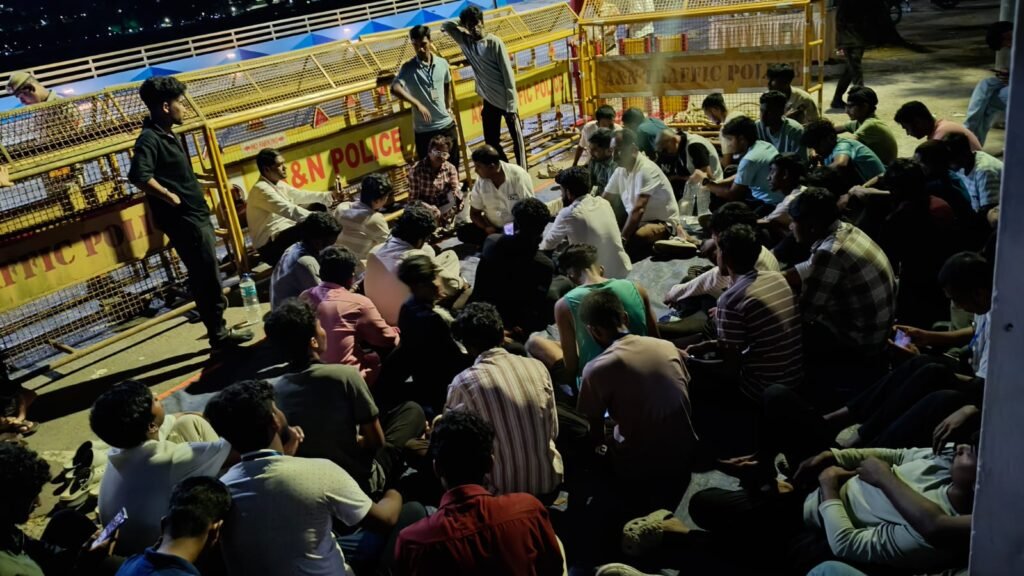 In February 2026, students across the Andaman and Nicobar Islands began protesting a major change proposed in the region’s higher-education system. The move, which aimed to convert several existing colleges into a single deemed-to-be university, triggered concerns among students about their academic future, degree value, and financial stability.
Here is a clear, factual overview of the issue, the protests, and the current status.
The Proposal Behind the Protest
The central proposal was to shift several government colleges in the islands from their existing affiliation with Pondicherry University to a new deemed-to-be university structure, reportedly under a proposed institute in the islands.
At present, major institutions such as:
Jawaharlal Nehru Rajkeeya Mahavidyalaya (JNRM)
Andaman Law College
Andaman College (ANCOL)
Andaman and Nicobar Islands Institute of Medical Sciences (ANIIMS)
Dr. B.R. Ambedkar Institute of Technology (DBRAIT)
Tagore Government College of Education (TGCE)
Mahatma Gandhi Government College (MGGC)
are affiliated with Pondicherry University.
The proposal aimed to replace this arrangement with a local deemed university system.
Why Students Opposed the Move

Students from medical, engineering, law, and general degree colleges raised several concerns about the transition.
1) Uncertainty About Degree Recognition
Many feared that degrees from the new deemed university might not carry the same recognition or credibility as those from Pondicherry University.
2) Disruption to Ongoing Courses and Exams
Students worried that the shift could affect:
Examination schedules
Course structures
Academic continuity
This was especially concerning for final-year students.
3) Possible Increase in Fees
Another major fear was a potential rise in tuition or other charges after the transition.
4) Lack of Consultation
Student leaders said that a decision affecting thousands should be taken only after proper discussion and written assurances.
The Protests on the Ground
Students from multiple institutions organized demonstrations, meetings, and collective actions across the islands.
Protests involved medical, engineering, and law students.
Student groups and political organizations expressed support.
The district administration held meetings with student representatives to negotiate.
The protests drew attention because they involved a wide range of colleges and disciplines across the island territory.
Administration’s Response
Facing sustained protests, the Andaman and Nicobar administration made some key assurances:
No increase in the existing fee structure.
Continuation of stipends for students.
Examinations for the 2025–26 academic year to be conducted under the existing university arrangement.
Officials also stated that consultations were ongoing and that academic continuity would be protected.
Current Status
As of mid-February 2026:
Talks between student representatives and authorities are ongoing.
Some student demands have been accepted, particularly regarding fees and exams.
However, concerns about the long-term impact of the deemed university plan remain.
Why This Issue Matters
The protest is not just about a change in administration. It reflects deeper concerns about:
Quality and recognition of degrees from remote regions
Financial accessibility of higher education
The need for consultation in major policy shifts
For students in geographically isolated territories like the Andaman and Nicobar Islands, even small policy changes can have significant long-term consequences.
Conclusion
The Andaman deemed university protest shows how sensitive education reforms can be, especially when they affect thousands of students at once. While authorities have offered some assurances, the situation is still evolving, and students continue to seek clarity and written guarantees.
The coming months will likely determine whether the new university structure goes ahead as planned or is modified based on student concerns.