Andaman Over the Last 20 Years: Tragedy, Recovery, and Transformation
The Andaman and Nicobar Islands, scattered like emerald drops in the Bay of Bengal, have seen dramatic changes over the past two decades. What was once a remote chain of islands known mainly for its history and natural beauty has gone through disasters, rebuilding, and rapid development.
The last 20 years have reshaped the islands in ways both painful and hopeful.
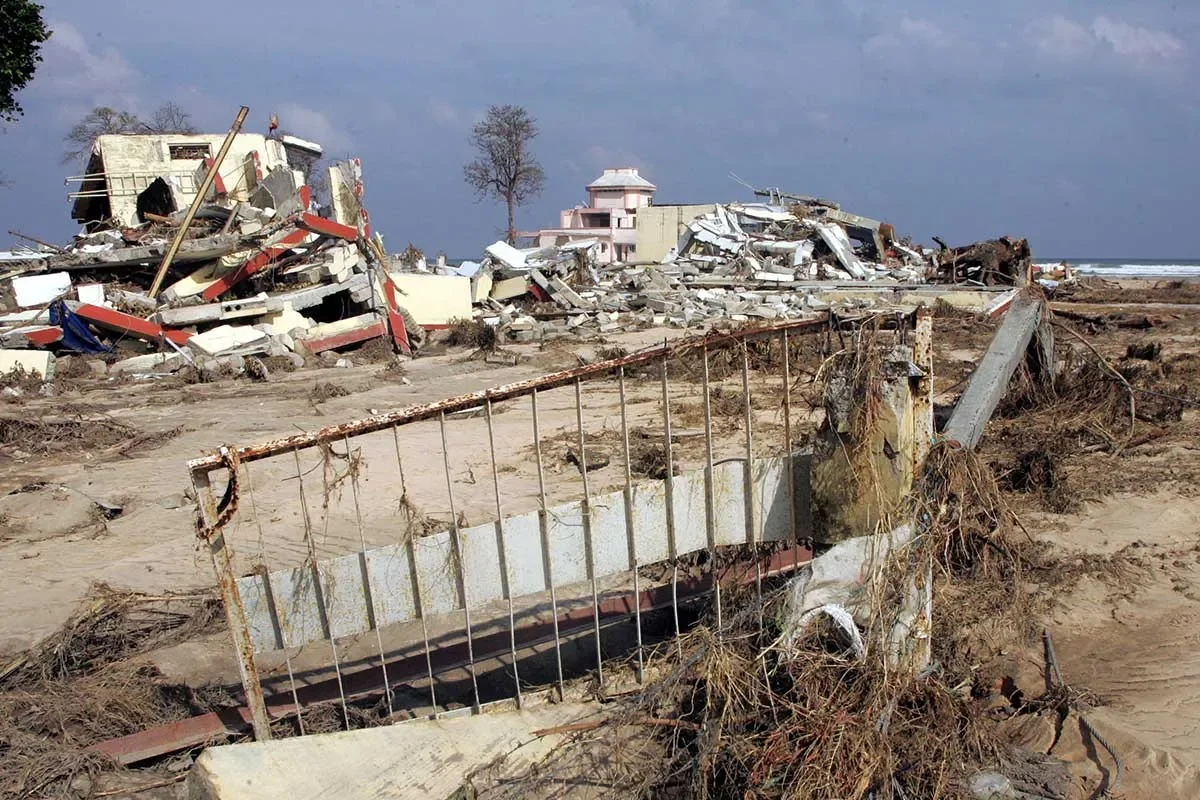 2004: The Tsunami That Changed Everything
4
2004: The Tsunami That Changed Everything
4
On December 26, 2004, the islands were among the first places hit by the Indian Ocean tsunami, triggered by a massive undersea earthquake near Sumatra.
The impact was devastating:
Entire villages in the Nicobar Islands were wiped out.
Thousands of people lost their lives.
Coastal infrastructure, jetties, roads, and homes were destroyed.
Several islands were permanently submerged or reshaped.
In places like Car Nicobar, the sea swallowed large stretches of land. Coconut plantations, the backbone of the local economy, were destroyed overnight.
For many communities, especially indigenous Nicobarese tribes, life was never the same again.
2005–2010: Relief, Rehabilitation, and Rebuilding 4
The years after the tsunami were focused on survival and rebuilding.
Major steps included:
Construction of new housing colonies for displaced families.

Repair and rebuilding of jetties, roads, and schools.
Long-term relief packages from the Indian government.
Special programs to support tribal communities.
However, rehabilitation wasn’t easy. Some communities struggled with relocation, cultural loss, and economic disruption. The Nicobarese people, who lived closely with the sea, had to adapt to new settlements further inland.
2010–2015: Tourism Slowly Expands

As recovery stabilized, tourism began to grow.
Key developments:
Havelock Island (now Swaraj Dweep) became a major tourist hub.
Radhanagar Beach gained international recognition as one of Asia’s best beaches.
Scuba diving, snorkeling, and eco-tourism activities increased.
Better ferry services and improved accommodations made the islands more accessible to domestic travelers. Tourism started to become a major source of income.
2016–2019: Strategic and Infrastructure Growth

In the late 2010s, the islands gained strategic importance for India due to their location near major shipping routes.
Major changes included:
Expansion of military and naval facilities.
Plans to develop some islands as tourism and logistics hubs.
Improved airport and port infrastructure.
The biggest milestone came in 2020 when an undersea optical fiber cable connected the islands to mainland India, dramatically improving internet speed and connectivity.
2020–2021: The Pandemic Hits Tourism

Like the rest of the world, the Andamans faced a tough period during the COVID-19 pandemic.
Flights were suspended.
Tourist arrivals dropped to nearly zero.
Many hotels, dive shops, and travel businesses closed temporarily.
Since tourism is a major economic driver, many locals faced financial hardship during this time.
2022–2024: Tourism Revival and New Projects

As travel resumed, the islands saw a strong tourism comeback.
Recent developments:
Increase in domestic tourist arrivals.
Expansion of the Veer Savarkar International Airport in Port Blair.
Plans to develop new tourist zones on selected islands.
Growth in cruise tourism.
The government also announced long-term plans to transform parts of the Andamans into high-end eco-tourism destinations.
Environmental and Indigenous Concerns
Despite development, the past two decades have also brought serious debates.
Main issues include:
Protection of indigenous tribes such as the Jarawa, Sentinelese, and Shompen.
Concerns about over-tourism and environmental damage.
Preservation of coral reefs and mangrove ecosystems.
The Andamans remain one of the few places in the world where isolated tribes still live, making development a sensitive issue.
Natural Events and Climate Challenges
Over the years, the islands have also experienced:
Periodic earthquakes.
Strong cyclones affecting coastal infrastructure.
Rising concerns about sea-level rise and coral bleaching.
These events remind residents that the islands sit in a geologically active and climate-sensitive zone.
The Andaman Story: From Disaster to Renewal
Over the last 20 years, the Andaman and Nicobar Islands have:
Survived one of the worst natural disasters in modern history.
Rebuilt communities and infrastructure.
Emerged as a major tourism destination.
Gained strategic and economic importance for India.
The islands today are very different from what they were in 2004. But their core identity remains the same: a remote, beautiful, and culturally complex region where nature still dominates the landscape.