Tourism in the Andaman Islands: A Journey into India’s Tropical Paradise
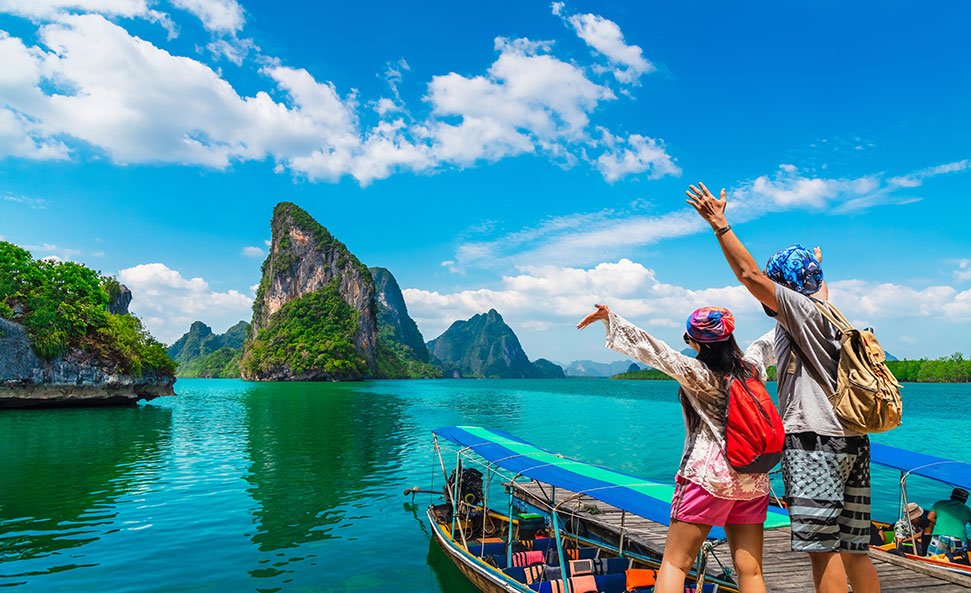
The Andaman and Nicobar Islands sit quietly in the Bay of Bengal, far from the noise of mainland cities. For years, they were known more for their history and remoteness than for tourism. But over the last two decades, the islands have slowly turned into one of India’s most sought-after travel destinations.
Tourism in the Andamans is not about crowded markets or nightlife. It’s about clear blue water, white sand beaches, coral reefs, and a slower rhythm of life. People come here to disconnect from their routines and reconnect with nature.
The Rise of Tourism in the Andamans
Until the early 2000s, tourism in the Andamans was limited. The islands were difficult to reach, infrastructure was basic, and visitor numbers were low. Most travelers were history enthusiasts visiting the Cellular Jail or adventurous backpackers looking for untouched beaches.
Everything changed after the 2004 tsunami. While the disaster caused massive destruction, the rebuilding process also brought new infrastructure, better transport, and increased attention to the islands’ potential as a tourism hub.
By the early 2010s, domestic tourism started growing rapidly. Improved ferry services, better hotels, and increased flight connectivity made the islands more accessible than ever before.
Major Tourist Destinations
 Port Blair: The Gateway to the Islands
Port Blair is the capital and the entry point for almost every visitor. It offers a mix of history, culture, and coastal scenery.
The most famous attraction here is the Cellular Jail, a colonial-era prison that once held Indian freedom fighters. The evening light and sound show is a popular experience for tourists.
Other attractions in and around Port Blair include:
Corbyn’s Cove Beach
Ross Island (Netaji Subhas Chandra Bose Island)
North Bay Island for snorkeling and sea walks
Chidiya Tapu for sunsets
Port Blair gives travelers a glimpse of both the islands’ past and their natural beauty.
Havelock Island (Swaraj Dweep): The Heart of Andaman Tourism
Havelock Island is the most famous tourist destination in the Andamans. It is known for its clear waters, coral reefs, and some of the best beaches in India.
Radhanagar Beach, often ranked among Asia’s top beaches, is the island’s main highlight. With its wide stretch of soft white sand and gentle waves, it attracts thousands of visitors each year.
The island is also a major hub for:
Scuba diving
Snorkeling
Kayaking
Beachside resorts
Havelock is where most travelers spend the majority of their Andaman trip.
Neil Island (Shaheed Dweep): A Quiet Escape
Neil Island offers a completely different experience. It is smaller, quieter, and more relaxed than Havelock.
Instead of water sports and busy beaches, Neil is known for:
Peaceful coastal roads
Natural rock formations
Calm, shallow beaches
Popular spots include:
Bharatpur Beach
Laxmanpur Beach
Natural Bridge rock formation
Many travelers visit Neil Island to slow down and enjoy the peaceful side of the Andamans.
Adventure and Water Activities
One of the biggest reasons for the growth of tourism in the Andamans is water-based adventure.
The islands are home to:
Colorful coral reefs
Tropical fish
Sea turtles
Clear underwater visibility
Popular activities include:
Scuba diving for beginners and professionals
Snorkeling in shallow reefs
Sea walking
Glass-bottom boat rides
Kayaking through mangrove forests
For many Indian travelers, the Andamans are their first experience with scuba diving.
Eco-Tourism and Natural Beauty
The Andaman Islands are more than just beaches. Much of the region is covered in dense tropical forests, mangroves, and protected marine parks.
Eco-tourism has become an important part of the tourism model. Many activities focus on:
Nature trails
Birdwatching
Mangrove kayaking
Responsible diving practices
The islands are also home to rare wildlife and indigenous tribes, making conservation a priority.
Government Initiatives and Infrastructure Growth
Over the past decade, the government has taken several steps to boost tourism:
Increased flight connections from major Indian cities
Upgraded airport facilities in Port Blair
Better ferry and cruise services
Promotion of island tourism through national campaigns
One of the biggest developments was the undersea optical fiber cable connecting the islands to mainland India, which improved internet connectivity and made travel planning easier.
There are also long-term plans to develop select islands into high-end eco-tourism destinations while maintaining environmental balance.
Challenges Facing Tourism
Despite its growth, tourism in the Andamans faces several challenges:
Environmental Pressure
Increased tourist numbers have raised concerns about:
Coral reef damage
Plastic waste
Beach erosion
Limited Infrastructure
Since the islands are remote, resources such as:
Fresh water
Electricity
Medical facilities
are limited compared to mainland destinations.
Protection of Indigenous Tribes
Some areas of the Andamans are home to isolated tribes. Tourism must be carefully regulated to protect their culture and privacy.
The Impact of COVID-19
The pandemic caused a sharp drop in tourist arrivals. Flights were suspended, hotels closed, and many tourism workers lost income.
However, the islands recovered quickly once travel resumed. Domestic tourism surged, and visitor numbers returned to pre-pandemic levels in many areas.
The Future of Tourism in the Andamans
Tourism in the Andaman Islands is expected to grow further in the coming years. Plans include:
New eco-resorts
Cruise tourism expansion
Development of lesser-known islands
Improved air and sea connectivity
The main challenge will be balancing development with environmental protection.
Conclusion
Tourism in the Andaman Islands has come a long way in the last two decades. From a remote and lesser-known destination, the islands have grown into one of India’s most popular tropical getaways.
What makes the Andamans special is not just the beaches or water sports, but the feeling of isolation, simplicity, and natural beauty. It is a place where time slows down, the sea is always nearby, and nature still feels untouched.
As long as tourism grows responsibly, the Andamans will continue to be one of the most unique travel destinations in the country.